
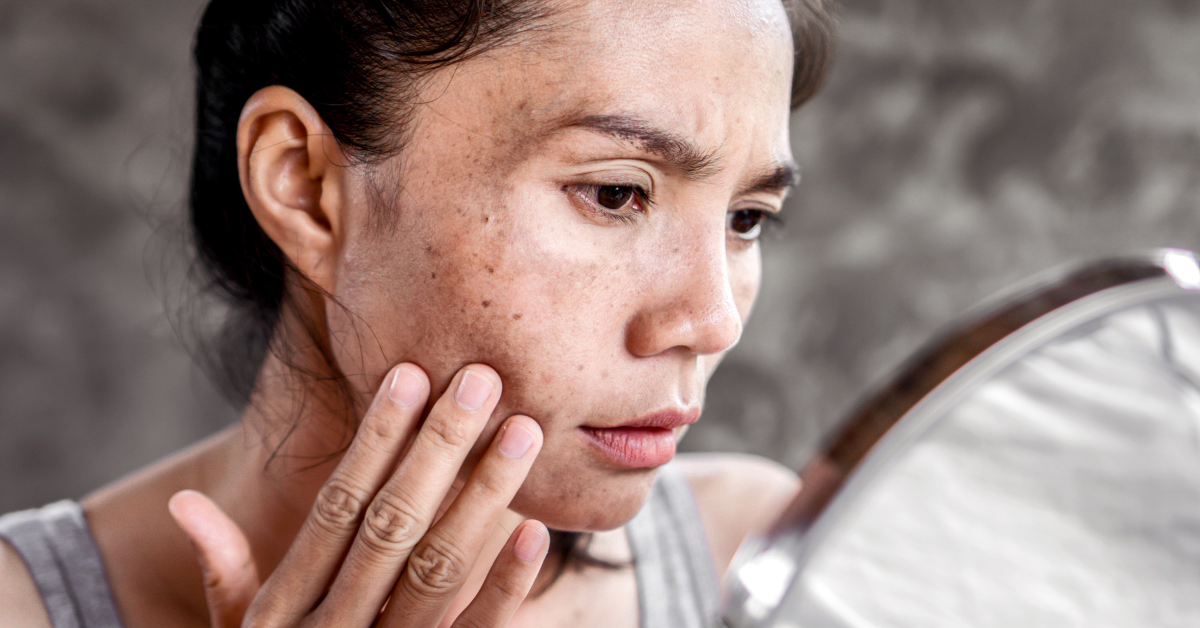
Common skin conditions become far more noticeable as Australia heads into summer, with higher UV and humidity bringing challenges not often seen in colder climates. You can get sunburn in as little as 11 minutes, and heat and sweat encourage rashes or infections. Knowing the signs of common skin conditions, from sunburn and heat rash to eczema or suspicious moles, means you can get treatment early.
In this article, we outline key symptoms and remedies for skin issues you shouldn’t ignore, helping you stay healthy and comfortable this season.
Sunburn and Heat Rash: Watch for These Summer Flare-Ups
Hot sun can quickly damage skin. Even cloudy days have high UV, so sunburn can happen fast. Symptoms to watch for include:
- Red, pink or purple skin that feels hot and painful to touch.
- Swelling and itching. Blisters may form on severe burns.
- Remember: severe sunburn (blistering, extensive pain) needs medical attention
Prevent sunburn by using broad-spectrum SPF50+ sunscreen, wearing a hat and seeking shade. For mild sunburn, cool baths, moisturiser and hydration help as the skin heals.
Heat rash (prickly heat) is another common summer problem. It shows up as clusters of tiny red, itchy bumps on areas covered by sweat (e.g. chest, groin). Treatment is simple: keep the area cool and dry, wear loose clothing and use cool compresses. Most mild cases resolve at home, but if a rash spreads or doesn’t improve, consider medical advice.
Fungal Infections: Athlete’s Foot, Jock Itch, Ringworm
Warm, moist skin is ideal for fungi. The term “tinea” covers common fungal infections like athlete’s foot and jock itch. Look for these signs:
- Athlete’s Foot (Tinea pedis): Itchy, cracked or peeling skin between the toes or on the feet.
- Jock Itch (Tinea cruris): An itchy red rash in the groin or inner thighs.
- Ringworm (Tinea corporis): Circular red patches with a clearer centre on arms, legs or body.
These infections can spread in gyms, pools and sweat-prone areas. Over-the-counter antifungal creams usually work for mild cases; keeping affected skin clean and dry is key. If the rash is extensive or persists, see a doctor, as prescription treatment may be needed.
Chronic Rashes: Eczema and Psoriasis
Some skin conditions flare with weather and stress. Eczema (atopic dermatitis) causes dry, red, scaly patches that itch intensely. It often appears on hands, elbows or behind knees. If eczema flakes, cracks or weeps yellow fluid, it’s at risk of infection.
Psoriasis is an immune condition marked by sharply defined red patches covered in silvery scale. These plaques commonly occur on elbows, knees, scalp or lower back and may be painful or itchy.
Management tips: Keeping skin moisturised and avoiding triggers helps. Treatment options include topical steroid creams, medicated lotions or phototherapy. Phenix Health doctors can guide therapy (including prescription ointments) tailored to you, helping prevent flare-ups from worsening.
Acne and Rosacea: Facial Irritations to Treat
Acne and rosacea are common facial skin issues that benefit from early care. Persistent pimples, blackheads or deeper cysts on the face, chest or back may indicate acne. If it causes scarring or doesn’t clear with OTC products, see a doctor, as prescription treatments may be required. Common triggers include:
- Hormonal changes (especially in teens) or stress.
- Diet factors (e.g. high-sugar or greasy foods).
- Certain medications and genetics.
Rosacea causes chronic facial redness and tiny pus-filled bumps. It typically affects the cheeks, nose and forehead. Flare-ups can be set off by heat, spicy food, alcohol or stress. Signs to note include redness on the cheeks or nose and visible blood vessels (sometimes with eye irritation). Treatment involves gentle skincare and, if needed, topical creams or antibiotics. Avoiding known triggers helps prevent flares.
For personalised care of acne or rosacea, Phenix Health offers online consultations with dermatology-trained doctors. They can recommend treatments (or refer you to skin specialists) via telehealth. Learn more about our approach to acne and rosacea.
Suspicious Moles and Skin Cancer: Get Checked Early
Australia’s sun makes skin cancer very common. In fact, over two-thirds of Australians will be diagnosed with skin cancer in their lifetime. Watch for any new or changing moles using the ABCDE rule:
- Asymmetry: One half of the mole doesn’t match the other.
- Border: Edges are irregular or notched.
- Colour: Multiple colours or uneven fading.
- Diameter: Larger than 6mm (about a pencil eraser).
- Evolving: Changing size, shape or symptoms (itching, bleeding).
If any of the above apply, see a doctor for a skin check. Early removal of problematic moles (by laser, freezing or surgery) is usually quick and curative. Remember, even if a spot seems minor, any rapid change warrants professional advice.
When to Seek Help and Phenix Health Telehealth

Changes that persist or get worse should not be ignored. Persistent eczema, psoriasis plaques, acne that scars, a new rash, or a mole that changes are all reasons to consult a doctor. Phenix Health’s licensed GPs are available 24/7 via telehealth. They can view your skin via video, assess symptoms, and prescribe treatments or tests as needed. Early advice can prevent complications; for example, getting prompt care for a severe sunburn or rash can speed recovery.
Don’t delay if something worries you. A quick online consult with Phenix Health could clarify the problem and start relief. Our doctors treat a wide range of skin conditions (see our Psoriasis and uneven skin tone pages for related issues). Protect your skin health this summer by paying attention and reaching out to trusted professionals at the first sign of trouble.




Phenix Health delivers online health services 24/7 provided by Australian doctors and healthcare professionals.